PLANTING
Three corms deep
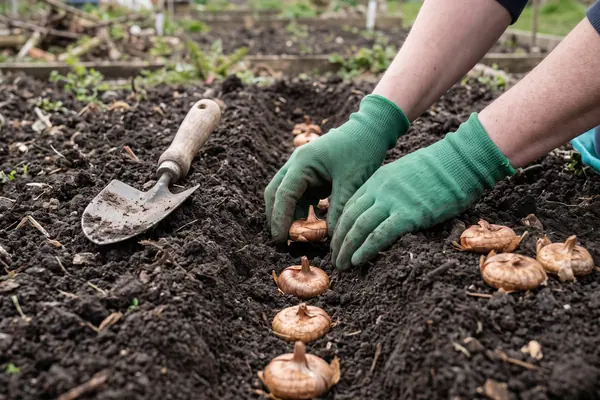
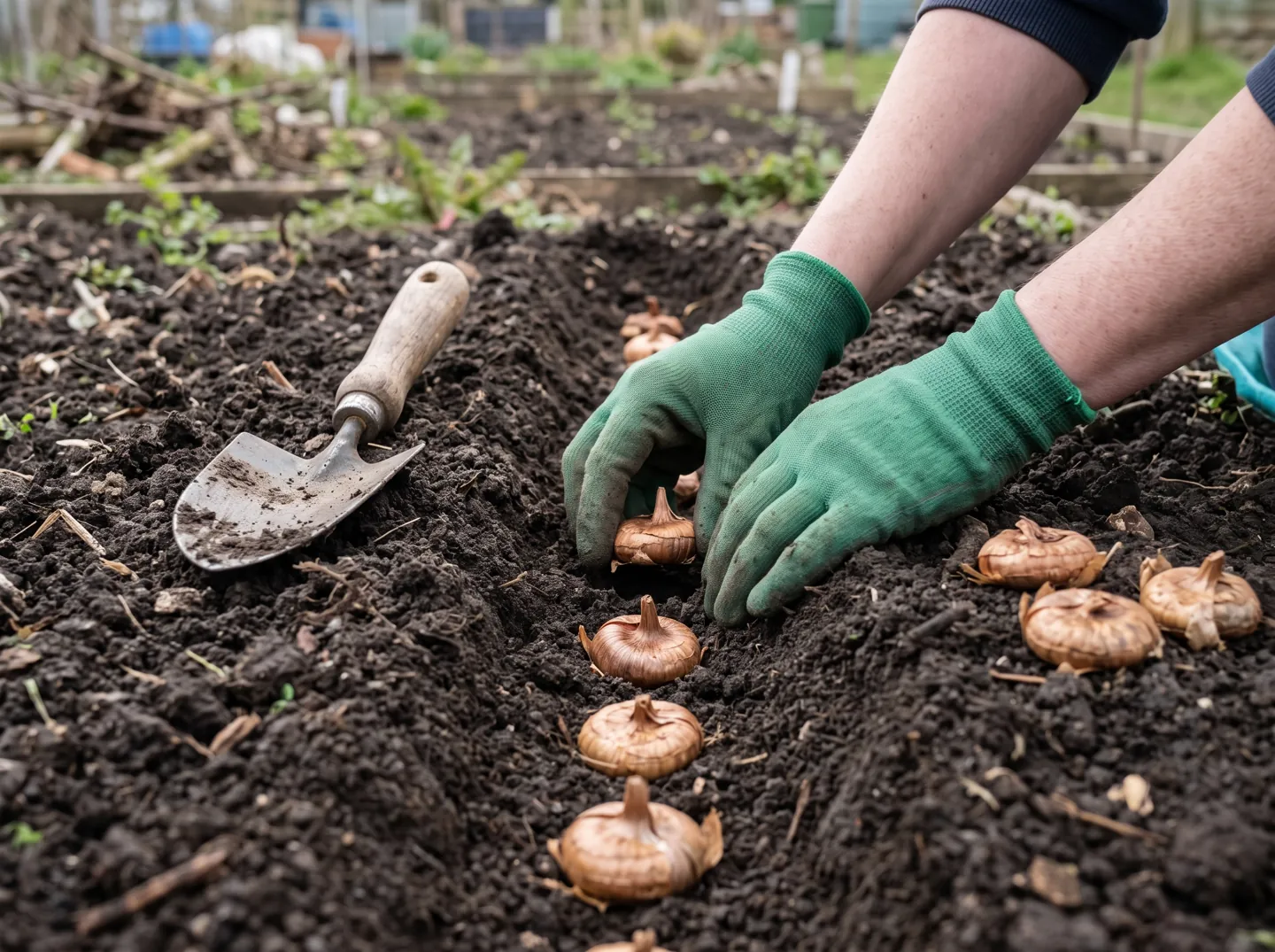
The RHS says to plant at a depth of three corms stacked up: 10-15cm for large-flowered hybrids, spaced about as far apart as they are deep.
Planting steps doodlesword
Start
AN INDEPENDENT GARDEN GUIDE
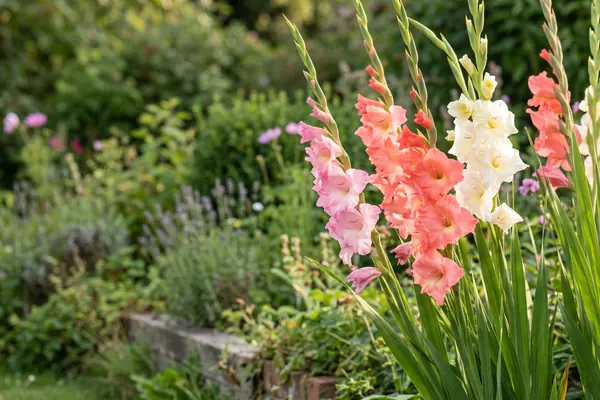
Gladiolus means little sword.
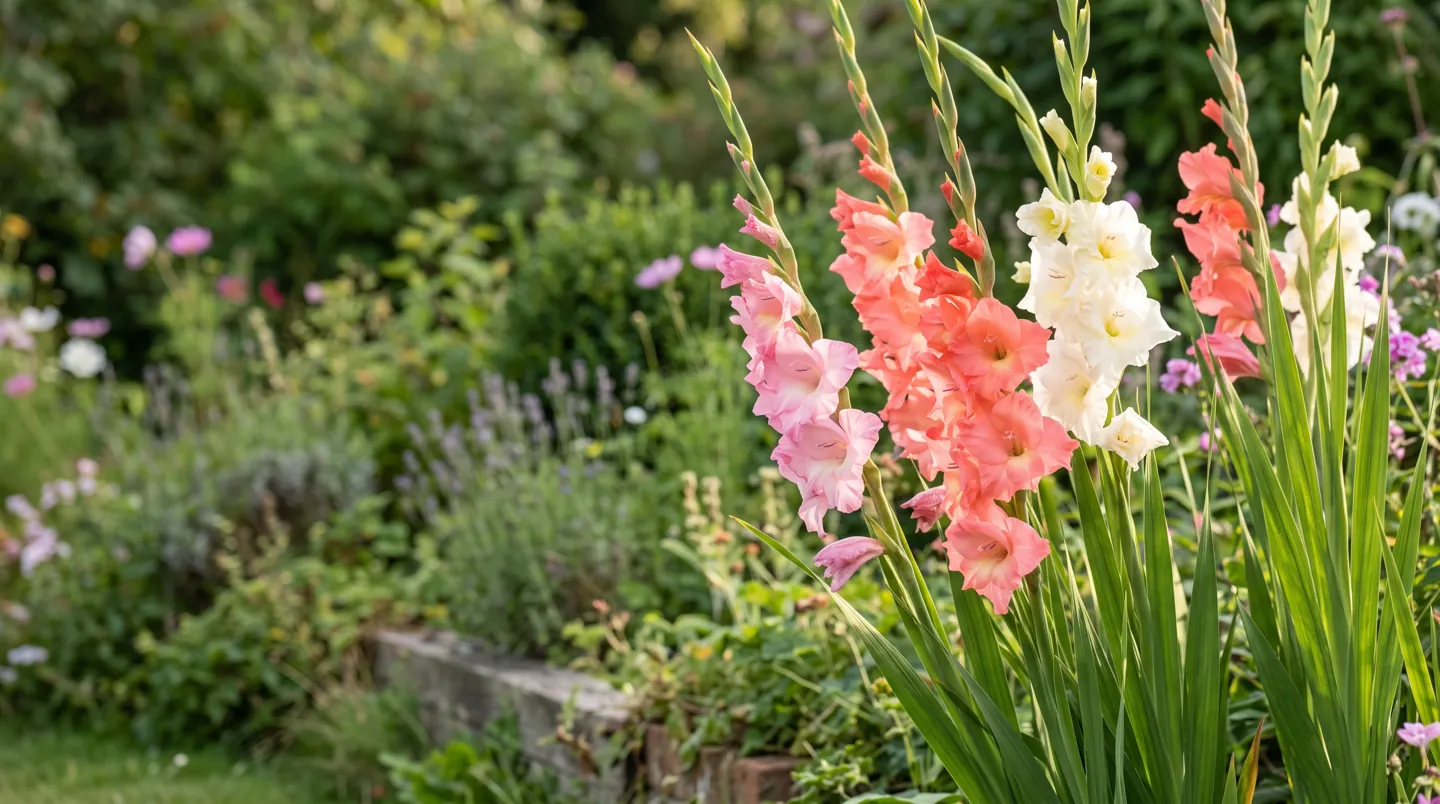
The name comes from the Latin gladius, for the plant's long, blade-shaped leaves. Under them sits a corm that, for many popular garden hybrids, needs lifting and storing frost free over a UK winter.
LIFT AND STOREabout six weeks after flowering
Check your gladioliKeep in mind
THE SHORT ANSWER
Gladioli are easy in their first summer.
A reliable display next year depends on what you do in autumn.
PLANTING
The RHS says to plant at a depth of three corms stacked up: 10-15cm for large-flowered hybrids, spaced about as far apart as they are deep.
Planting stepsFLOWERING
Choose a sunny, open spot. Tall hybrids like shelter from wind, and a potassium-rich feed such as tomato feed helps as the flower spikes emerge.
Check your typeWINTER
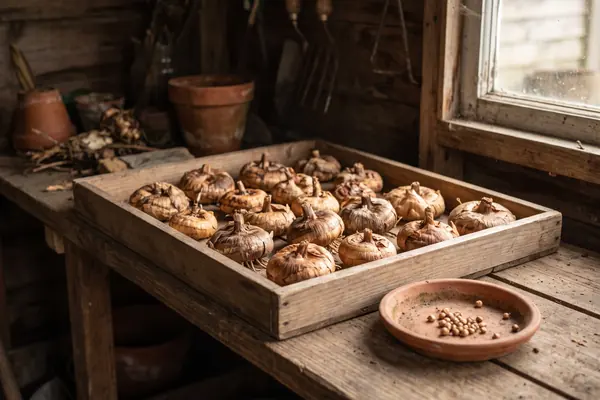
Non-hardy hybrids are lifted about six weeks after flowering, dried for a few weeks, then stored in trays somewhere cool and frost free.
Storing cormsA QUICK TYPE CHECK
Pick a type to see how the RHS suggests treating it over winter. The bar shows how much winter protection it usually needs in the UK.
Based on the RHS growing guide for gladioli. Local soil and weather matter: on light, free-draining soils in warmer counties some hybrids may survive an average winter in the ground.
TWO NUMBERS WORTH KNOWING
One figure on how many gladioli there are,
one on how deep the corms go.
≈ 255 species
Species in the genus Gladiolus
South Africa's National Biodiversity Institute says Gladiolus is the largest genus in the iris family, Iridaceae, with approximately 255 species.
SPECIES · SANBI
10–15 cm
Depth for large-flowered hybrids
The RHS rule of thumb is a depth of three corms stacked up. Planting too shallow can give lots of small offspring corms instead of one good corm for next year.
PLANTING DEPTH · RHS
The genus was named by Linnaeus in Species Plantarum (1753). Gladiolus species grow widely in southern Africa and also in other parts of Africa, Europe and Asia, according to SANBI's PlantZAfrica.
FOUR STEPS THROUGH THE YEAR
These steps follow the RHS growing guide for the traditional summer-flowering garden hybrids.
Step 1
Plant in batches every couple of weeks to stagger flowering. Shoots usually appear once frosts are past, around late May or early June.
Step 2
Water in dry spells, and give a potassium-rich liquid feed when the leaf sheath thickens and the spike begins to show.
Step 3
Staking is optional. Put canes far enough from the corm to avoid damage, or grow tall types through a horizontal mesh.
Step 4
When cutting flowers, leave as much foliage as you can: those leaves feed the new corm for next year.
LIFTING AND STORING
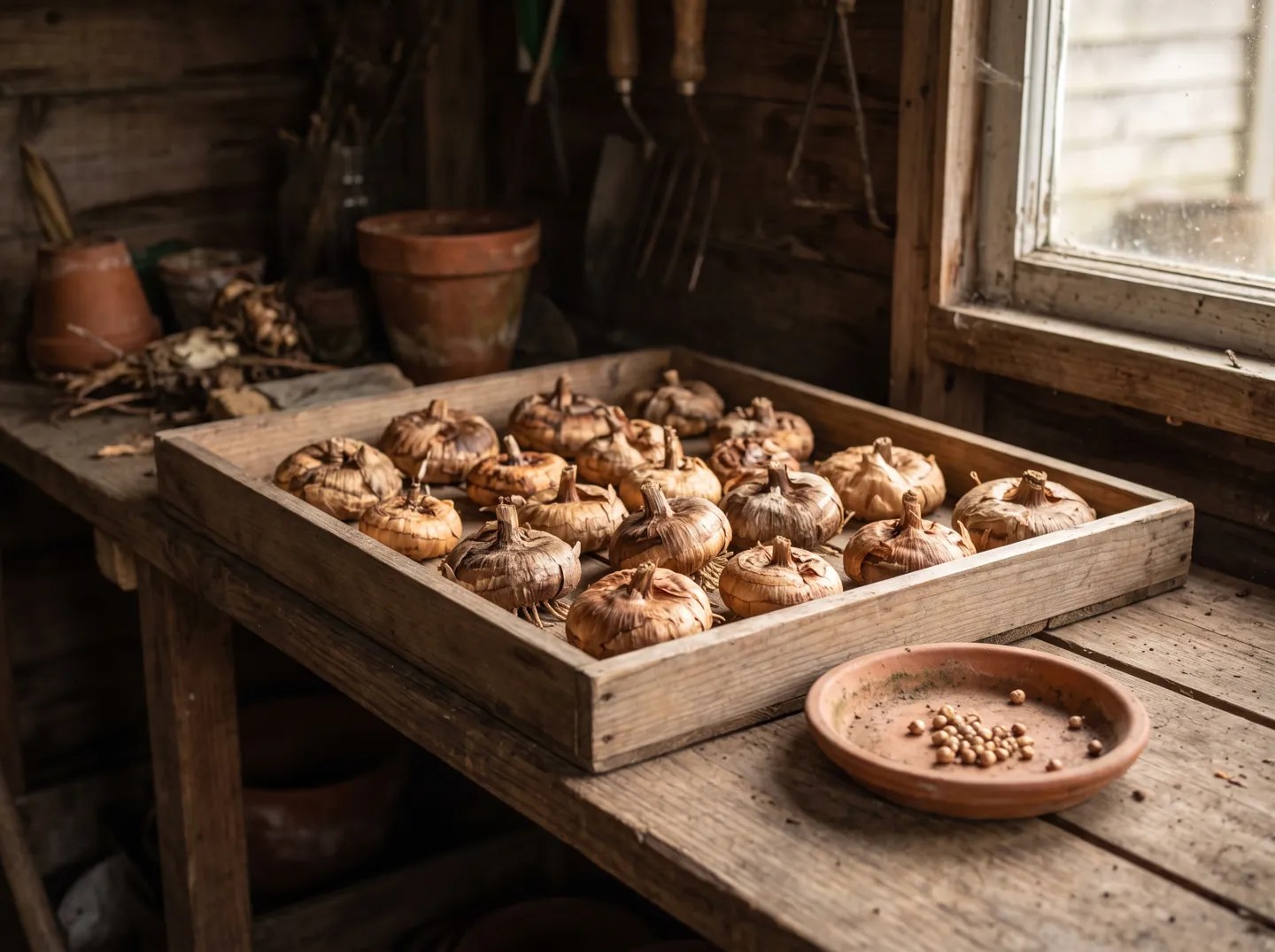
Each year a plump new corm forms on top of the old one. The RHS says to lift non-hardy gladioli about six weeks after flowering, cut the leaves to a stub of a few centimetres, take off the small cormlets and dry everything in a warm, airy place for a few weeks.
Then twist off the shrivelled old corm, rub away the soil and store sound corms in trays somewhere cool and frost free, which the RHS describes as a night-time minimum of 4°C. Check them now and then and throw out any that rot.
Questions
Gladiolus comes from the Latin gladius, meaning sword, after its sword-shaped leaves, according to SANBI. NC State Extension notes that sword lily is a common name for gladiolus.
Strictly it grows from a corm: a bulb-like, swollen underground stem base wrapped in a papery skin. The RHS describes crocus and crocosmia as corms too.
Hardy types such as Gladiolus communis subsp. byzantinus can stay in. The RHS says most popular hybrids should be lifted on most UK soils, though on light soils in warmer counties they may survive an average winter.
Often gladiolus thrips, small insects about 2mm long that the RHS says are most active from July to September. They can overwinter on stored corms, so it suggests cutting off and disposing of the top growth before the corms fully dry.
Yes. The RHS says cormlets can be planted in a nursery bed in spring about 5cm deep and should reach flowering size in 1-2 years. Species raised from seed take 2-3 years.
Destination
ABOUT THIS NAME
doodlesword.com is part of the DoodleSale portfolio. It isn't in an auction right now, but you can ask about leasing it.